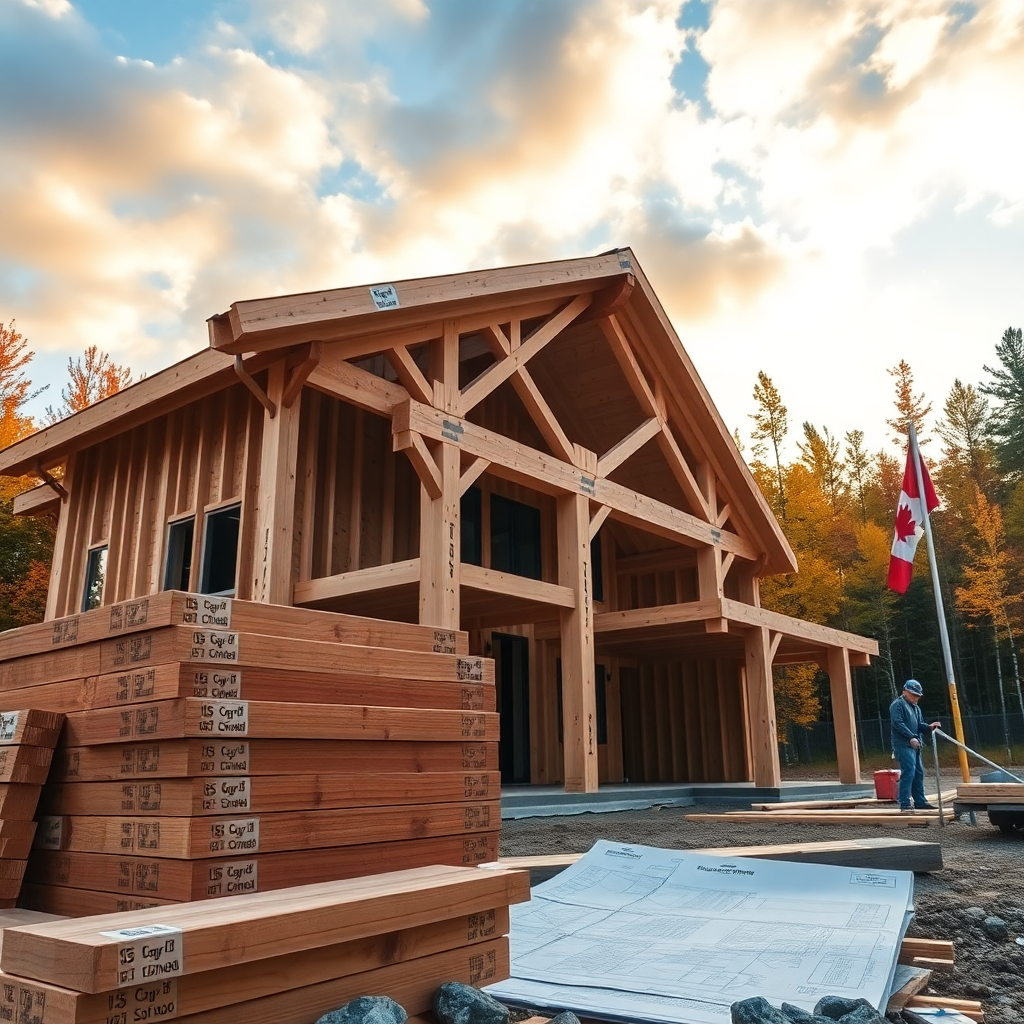
CUSMA 2026 Review: What Northern Ontario Builders Should Know
The Canada-United States-Mexico Agreement (CUSMA) is approaching its mandatory six-year review in 2026, and while international trade agreements might seem distant from the world of cottage design and construction, Northern Ontario builders should pay attention. This review could impact everything from material costs to cross-border project opportunities, making it essential for our region's construction professionals to understand the potential implications.
As a BCIN-certified firm working extensively in Northern Ontario's cottage country, we've seen firsthand how international trade policies affect local building practices. Here's what builders and architects in our region need to know about the upcoming CUSMA review.
Material Supply Chains and Cost Implications
Northern Ontario's construction industry relies heavily on cross-border material flows, particularly for specialized cottage and recreational building components. The 2026 CUSMA review could affect tariffs and trade classifications for key materials including:
- Lumber and engineered wood products: With Northern Ontario's proximity to both domestic and U.S. lumber markets, any changes to softwood lumber provisions could significantly impact project costs
- Energy-efficient windows and doors: Many cottage projects specify high-performance glazing systems that may be sourced from U.S. manufacturers
- Specialized roofing materials: Metal roofing systems popular in cottage country often involve cross-border supply chains
Cross-Border Design Opportunities
The CUSMA review presents both challenges and opportunities for Northern Ontario architectural firms. Many of our cottage country clients are U.S. residents investing in Canadian recreational properties, while some Canadian firms work on projects south of the border.
Key considerations include:
- Professional licensing reciprocity: Changes to professional services provisions could affect architects and engineers working across borders
- Digital design services: Remote design work and virtual consultations have become standard practice, and trade provisions around digital services could impact how we serve cross-border clients
- Investment flows: Modifications to investment chapter provisions might affect U.S. investment in Canadian cottage properties
Energy Efficiency and Environmental Standards
Northern Ontario's harsh climate demands exceptional energy performance in cottage construction, and the CUSMA review could influence environmental standards and green technology trade. Areas of potential impact include:
- Heat pump technology: As heat pumps become increasingly important for cottage heating, trade provisions affecting these systems could impact project specifications
- Solar and renewable energy components: Many cottage projects now incorporate off-grid or grid-tied renewable systems with components from multiple countries
- Insulation and building envelope materials: High-performance insulation systems often involve international supply chains
Preparing for Regulatory Changes
Building code compliance remains paramount regardless of trade agreement changes, but Northern Ontario builders should prepare for potential regulatory shifts by:
1. Strengthening relationships with local suppliers: Developing robust local and regional supplier networks can provide resilience against trade disruptions 2. Staying current with building codes: Ensure your team maintains up-to-date BCIN certifications and understands evolving energy efficiency requirements 3. Documenting current practices: Maintain clear records of material sourcing, supplier relationships, and cross-border service provisions 4. Engaging with industry associations: Stay connected with provincial and national building industry organizations for updates on trade-related developments
Conclusion
While the CUSMA 2026 review may seem far removed from the day-to-day realities of designing and building in Northern Ontario's cottage country, its implications could significantly affect our industry. From material costs and supply chain stability to cross-border client relationships and regulatory compliance, the agreement's evolution deserves attention from construction professionals.
The key is staying informed without becoming paralyzed by uncertainty. Focus on building resilient supplier relationships, maintaining regulatory compliance, and serving clients with the same quality and expertise that defines Northern Ontario's cottage country construction industry. By preparing thoughtfully for potential changes, we can continue delivering exceptional architectural and construction services regardless of what the 2026 review brings.
BrambleRidge Home Design Group stays current with industry developments affecting Northern Ontario builders. Contact us to discuss how evolving regulations and market conditions might impact your next cottage project.
